

COMMENTARY: Oklahoma should expand energy supply, not restrict it
Legislative proposals to restrict new wind energy sources are a step backward. We need more of all forms of energy to lower energy bills and grow the economy.
By LARRY WARD
Oklahoma has long been proud of its identity as an energy state. From oil and natural gas to wind and solar, the state has helped power American prosperity for generations.
Today, global instability is pushing energy costs higher. Conflict in the Middle East is already driving gasoline prices upward, reminding Americans how vulnerable energy markets can be to geopolitical shocks.
Oklahoma — like much of the country — is also facing another challenge contributing to higher home energy bills: rising energy demand.

Across the state, households are opening utility bills that are noticeably higher than they were just a few years ago. Businesses are feeling the same pressure. Manufacturers, retailers, restaurants and small businesses all rely on affordable electricity to keep their doors open and their workers employed.
When energy costs rise, it hits family budgets and business balance sheets alike.
The reality is that electricity demand across the country is growing rapidly — faster than the power supply needed to meet it. Population growth, expanding industries and the rise of energy-intensive technologies such as data centers and artificial intelligence are placing new demands on the grid.
Combined, these forces are driving up energy prices across the board and make it even more important for states like Oklahoma to produce more abundant and affordable energy at home. At a moment like this, the last thing Oklahoma should be doing is limiting new sources of energy.
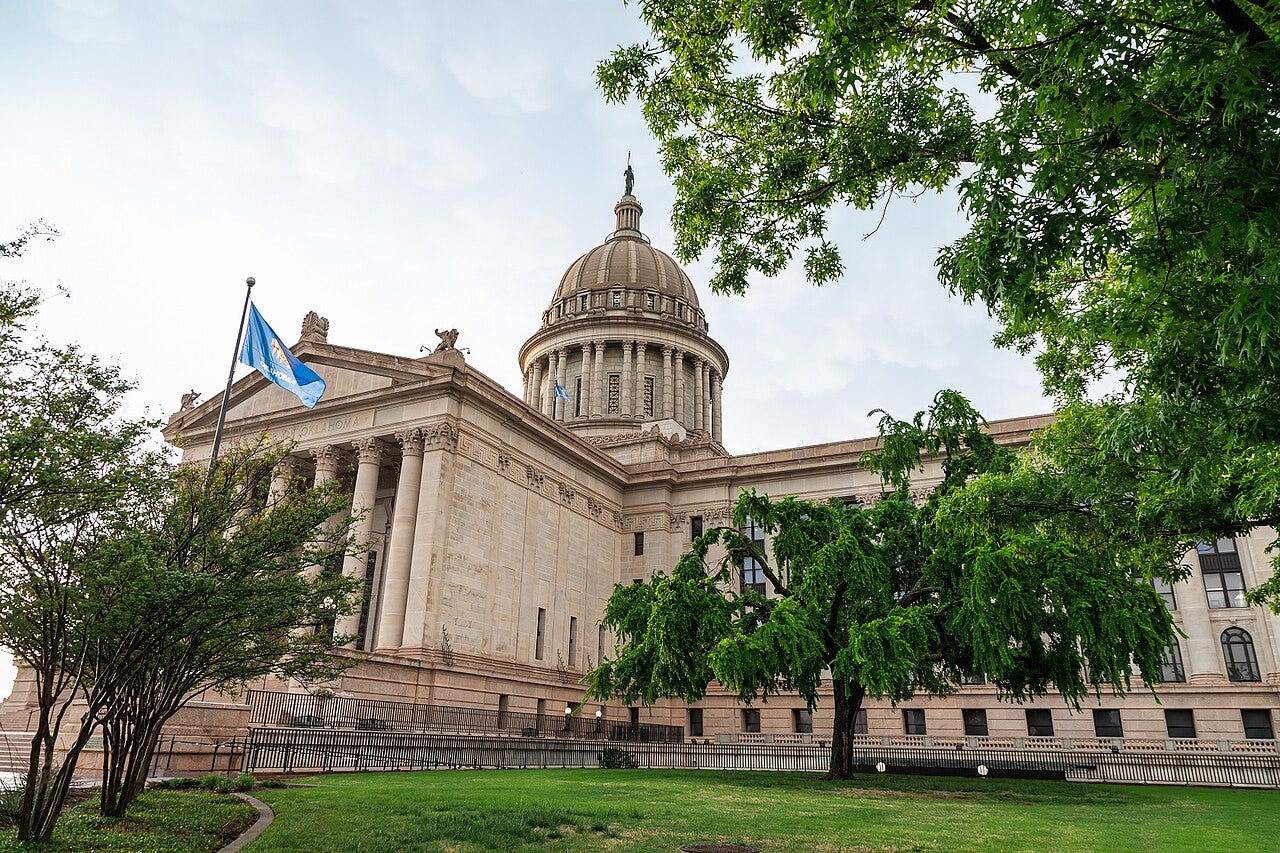
Yet, proposals circulating at the state Capitol, including Senate Bill 2, would place significant new restrictions on one important form of energy for our state: wind. The legislation, if passed, would expand setback requirements for turbines and other rules that could effectively block new projects in large parts of the state.
Whatever the intent behind these proposals, the practical effect would be clear: less energy supply coming online in the years ahead.
And when supply fails to keep up with demand, prices rise.
That basic economic reality affects both households and businesses. Families would face even higher electricity bills. Businesses would see operating costs increase further.
Restricting wind development would be especially counterproductive because wind plays a major role in Oklahoma’s electricity mix. The state is one of the nation’s leading producers of wind power, and most of the new electricity generation added in recent years has come from wind projects.
But the larger point goes beyond wind itself. Blocking one form of energy today sets a precedent that could just as easily be applied to other sources tomorrow.
Oklahoma should be expanding every form of energy production that can help meet rising demand. That includes oil, natural gas, wind, solar, and emerging technologies. The state’s strength has always been its willingness to embrace an all-of-the-above energy strategy. That’s why Oklahoma is the nation’s sixth-largest crude oil and natural gas producer in addition to being a top-three producer of wind energy.
As Elon Musk recently pointed out, electricity output is the single best proxy for industrial capacity. In other words, energy is not just another commodity. It is the foundation of economic growth. Countries that produce more energy can build more factories, power more industries and support stronger economic expansion.
And right now, the United States is falling behind.
China has spent the last 25 years rapidly expanding its electricity generation capacity while America’s electricity production has largely remained flat. Today China produces more than twice as much electricity as the United States.
If the United States wants to remain competitive in manufacturing, technology and industry, we must dramatically expand our own energy production.
States like Oklahoma can lead the way. Greater energy supply helps stabilize prices, allowing businesses to expand and ensuring that households can keep the lights on without breaking the bank.
The same is true at the national level.
Oklahoma helped build America’s energy economy once before. With the right policies, it can help power both the state’s and country’s next era of growth as well.
But that future will require more energy — from every source we can responsibly develop.
Ward is president of American Power Play, a nonprofit organization advancing energy solutions that strengthen U.S. manufacturing, protect the power grid from foreign adversaries and lower energy costs for American families.