

Louisiana operating budget flat, other costs rise
By Nolan Mckendry | The Center Square
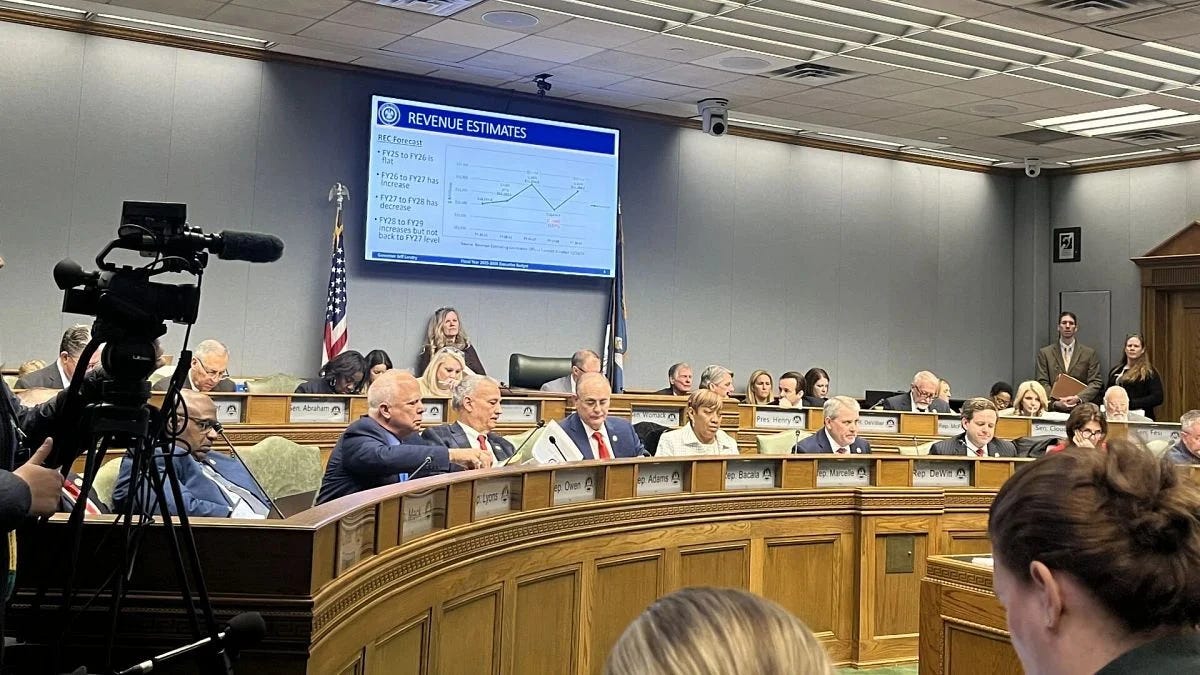
(The Center Square) — Louisiana’s operating budget may be largely flat, but several other state spending bills have grown significantly in recent years, including construction, judiciary and legislative expenses.
The state’s capital outlay budget, which funds construction projects, has increased from about $7.9 billion in total means of financing in 2022 to about $12.9 billion in 2026.
The more immediate portion of that budget has also increased. Priority 1 funding, which represents projects expected to move forward sooner, rose from about $1.1 billion in 2022 to about $2 billion in 2026.
Rep. Tony Bacala, R-Prairieville, who authored the capital outlay bill, said the headline number does not mean the state will spend all of that money right away.
“It’s actually the authority to spend,” Bacala told The Center Square. “This looks at future projects as well as present. So, it projects into the future what projects we hope to fund.”
Bacala said much of the construction budget is tied to long-term projects, not immediate spending.
“Probably three-quarters of the money in there is beyond five years,” Bacala said.
The judiciary and legislative budgets have also grown since 2022. The judiciary budget is up roughly $30 million, while the legislative budget is up about $10 million.
Rep. Jack McFarland, R-Jonesboro, who chairs the House Appropriations Committee and authored both bills, said the judiciary increase is tied to several specific costs, including family services, judicial pay raises, technology and security.
During a panel hosted by the Public Affairs Research Council, McFarland said judicial pay raises added nearly $10 million and that courts needed additional money for information technology because their systems were “antiquated.”
Security needs also contributed to the increase, he said.
“Unfortunately, we live in a society where politics and other things have led to people reacting in less than acceptable and reasonable ways,” McFarland said.
McFarland gave a similar defense of the legislative budget, saying lawmakers have ongoing obligations to maintain the Capitol, pay staff and cover retirement costs.
“We continue to have the same responsibilities that we’ve always had,” McFarland said. “We are responsible for part of the building. I mean, you see a significant amount of work going on there now. It’s going to be under construction for the next several years. That carries a tremendous cost.”