

Murrill: EPA needs to study mifepristone in drinking water
By Misty Castile | The Center Square
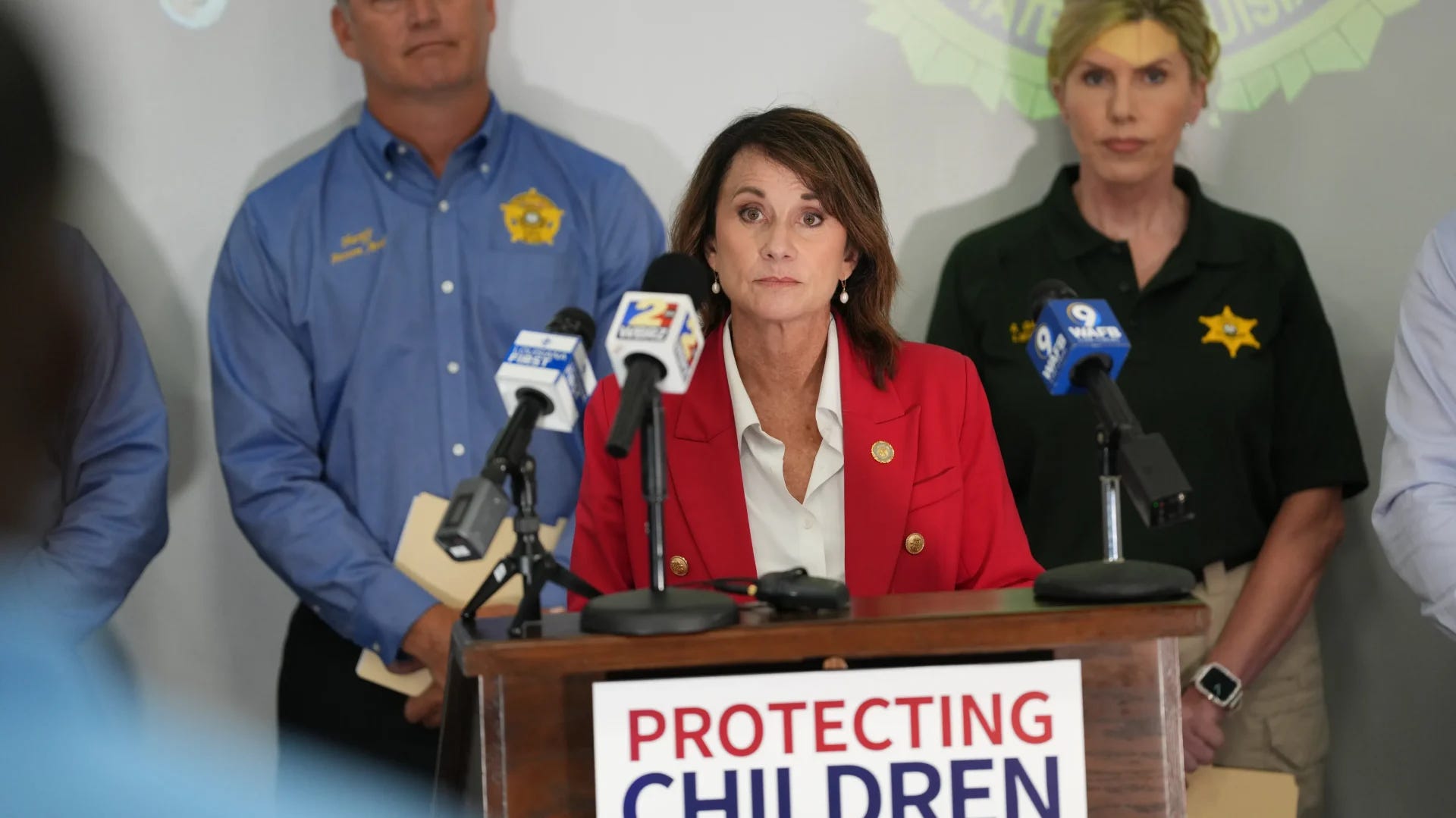
(The Center Square) – Potential impact of the abortion drug mifepristone on the nation’s waterways and drinking water supply should be studied, Louisiana Attorney General Liz Murrill and a coalition of attorneys general told the U.S. Environmental Protection Agency.
Murrill and attorneys general from 13 other states signed a letter led by Missouri Attorney General Andrew Bailey asking the EPA to add mifepristone and its generic equivalents to the agency’s Contaminant Candidate List, a designation that could lead to further study and possible regulation under the Safe Drinking Water Act.
“Louisiana has been leading the fight against the dangers of mifepristone for years,” Murrill said in a statement. “We’ve taken action to stop abortion drugs from being illegally shipped into our state and to hold abortion providers accountable for violating Louisiana law. As the use of mifepristone continues to increase, the EPA has a responsibility to investigate potential threats to our drinking water.”
In the letter, the coalition said changes made by the Food and Drug Administration over the past decade have increased the use of chemical abortions outside traditional health care settings, potentially resulting in more pharmaceutical waste entering wastewater systems.
“Over the last decade, the FDA has eliminated many of the protections that minimized the health risks posed by mifepristone and its approved generics, including the in-person dispensing and check-up requirements that kept medical staff involved in the process,” the letter states. “Not only were the FDA’s changes to the regimen and risk evaluation and mitigation strategy unlawful and unsafe, but the loosened regulations have also increased the number of chemical abortions occurring in the home, resulting in tons of chemically tainted medical waste being flushed into American waterways.”
The FDA’s assessment of mifepristone, in accordance with the National Environmental Policy Act, found that the medication “can be manufactured, used and disposed of without any expected adverse environmental effects.”
The attorneys general wrote that mifepristone should be evaluated for inclusion on the Contaminant Candidate List because of concerns about its presence in waterways and the potential effects of exposure through public drinking water supplies.
According to the letter, if the drug reaches sufficient concentrations in drinking water, pregnant women who unknowingly ingest it could face greater health risks than the general population. The coalition also cited research suggesting mifepristone may affect reproductive organ development and fertility.
“It’s nonsense to think that mifepristone contributes to our water quality issues,” Kelley Dennings told The Center Square.
Dennings is a campaigner at the Center for Biological Diversity, a U.S.-based nonprofit conservation organization that works to protect endangered species and the environment through legal action, petitions and activism.
“There’s not a single pharmaceutical drug regulated under the Safe Drinking Water Act and it would be absurd to put mifepristone at the front of the line. Spending any time or resources on this only steals attention from the known toxins in our drinking water like pesticides and forever chemicals.”
Chemical abortions accounted for 63% of all U.S. abortions performed within the formal health care system in 2023, according to data cited in the letter. That figure was up from 31% in 2014 and 14% in 2005.
The attorneys general also pointed to what they described as a growing number of self-managed chemical abortions involving abortion pills shipped across state lines, cases they said are not reflected in official abortion statistics.
Dennings said the drug is not the biggest threat to water in Louisiana.
“Some of the biggest threats to Louisiana’s water comes from the oil and gas industry and from fertilizer and pesticide runoff,” said Dennings. “There are hundreds of water utilities in Louisiana with drinking water contaminates from these industries above health guidelines.”
The EPA has not announced whether it will add mifepristone to the Contaminant Candidate List. Substances placed on the list are evaluated to determine whether federal drinking water regulations may be warranted.